Caddying at the historic South Shore Culture Center, a young Donnell Digby never imagined that one day he’d open the center’s first black-owned restaurant: Nafsi.
A lifelong resident of Chicago’s South Side, Donnell has always held his community close. At the beginning of his career, he joined other members of his family in the real estate business, becoming an appraiser and later opening his own firm. During his 20 years as an appraiser, he noticed a stark difference in the vibrant corridors of other Chicago neighborhoods compared to his own community. He decided to utilize his real estate experience and become a real estate broker. This led him to purchase and renovate properties on the South Side.
“I kind of put myself in the framework of how do you create a space as a landlord that also becomes a viable space for the community?” Donnell said.
One of the first properties he purchased was a hair salon, after noticing the need for one in his community. Donnell was surprised to watch food vendors walk in everyday with packaged goods to sell at the salon. Seeing potential in this market, he planned his next venture: a space where budding entrepreneurs could sell their products without the need to build out and finance their own space.
In 2018, Donnell purchased The Woodlawn, a venue and event space in Chicago’s Grand Crossing neighborhood. At The Woodlawn, Donnell created Chicago’s first licensed pop-up restaurant. This pop-up allowed vendors, who typically sold food on the street, to rent restaurant space for 90 days. Ten such vendors have gone on to acquire their own brick and mortar space in their own communities.
When COVID hit, Donnell paused his pop-up operations for safety reasons.
In 2020, Donnell received several COVID relief grants via programs A4CB administered in partnership with other institutions. The funding allowed him to keep The Woodlawn running with minor hiccups. Donnell was able to retain all employees and maintain his food supplier. With the space vacant, Donnell decided to open a restaurant himself, and for almost two years, he strengthened his experience as a restaurateur.
In 2023, Donnell came back to A4CB for capital via a referral from Fifth Third Bank. Bankers across Illinois and Indiana refer entrepreneurs who they cannot help to A4CB, creating a strong referral partnership that A4CB depends on.
The loan that Donnell received from A4CB helped turn The Woodlawn back into a pop-up space for local entrepreneurs. Donnell was then able to build a second kitchen, allowing two pop-up restaurants to operate at a time.
With more experience under his belt, Donnell was ready to tackle a new opportunity when space inside the South Shore Cultural Center, a once “whites-only” lakefront retreat, became available. In competition with many other vendors, Donnell won the bid for space, and in 2024, he opened his restaurant called Nafsi. The name ‘Nafsi’ is a Swahili word meaning ‘soul.’ Donnell chose the name to reflect the restaurant’s intention of serving good food and being a space of interconnection.
“We were looking for something that gave my heartfelt intention on building the restaurant,” Donnell shared. “And coming from a kid that grew up in South Shore, I wanted to bring soul food with a flair, and I thought that we hit it right on the mark.”
Operating in a historical building, however, came with challenges. At the height of their opening a year later, the restaurant closed due to plumbing and infrastructure issues.
In early 2026, Donnell received a revenue-based financing loan from A4CB that helped Nafsi retain employees and hire new employees for the summer season.
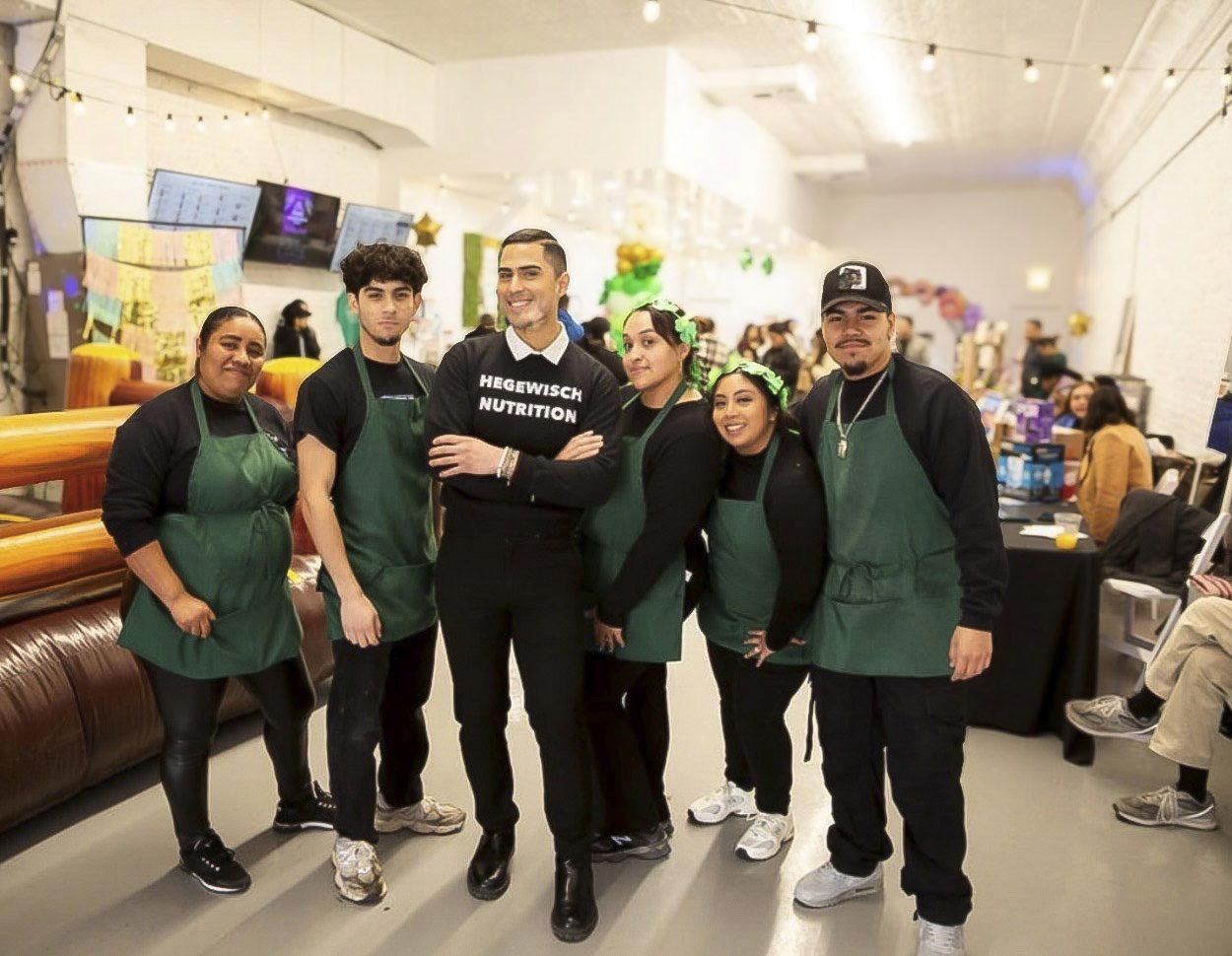
Today, Nafsi has a team of 20 employees and is expanding its dining capacity with an outdoor addition that includes two bars and cabanas. Donnell is also renovating another full-service dining restaurant back at The Woodlawn. But no matter what he does next, Donnell is confident the impact will be of benefit to the South Shore community he still calls home. “We’re excited to get this thing rolling and moving,” Donnell said. “Let the community see what we have to bring.”